Bluebell Woodland Etiquette: How to Visit Without Damaging the Flowers
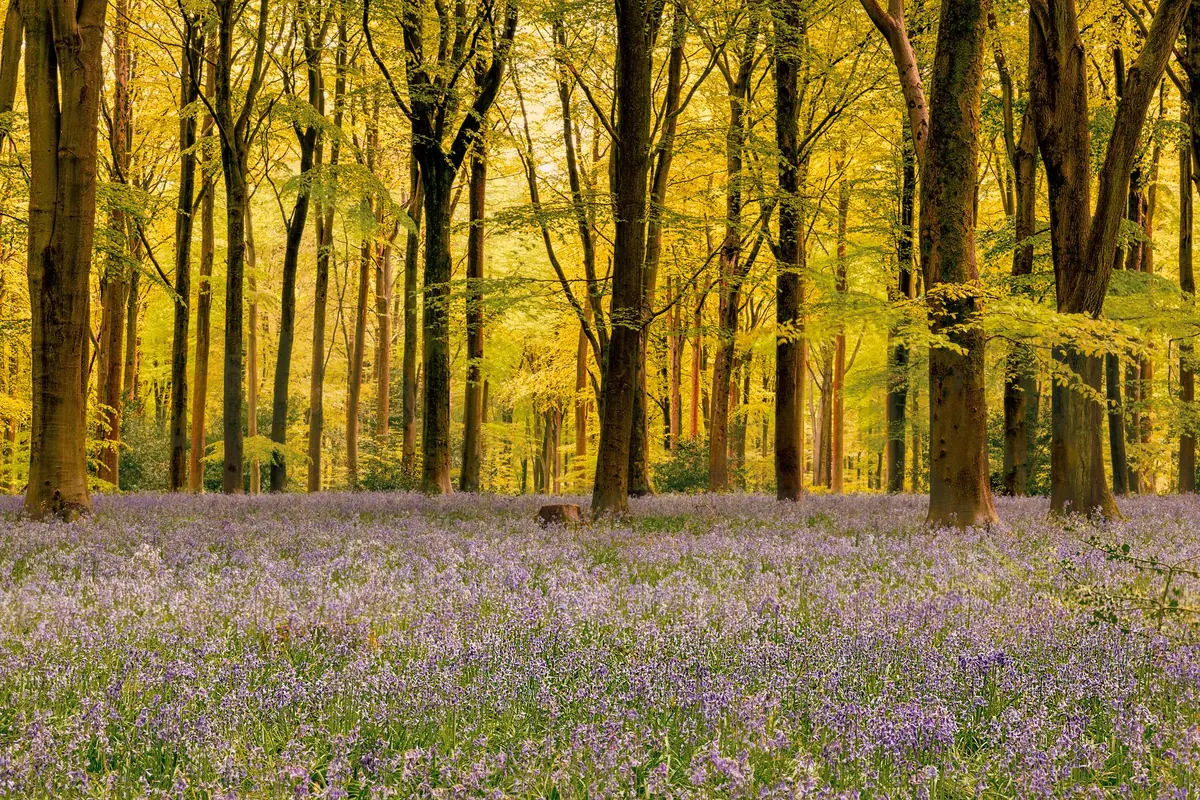
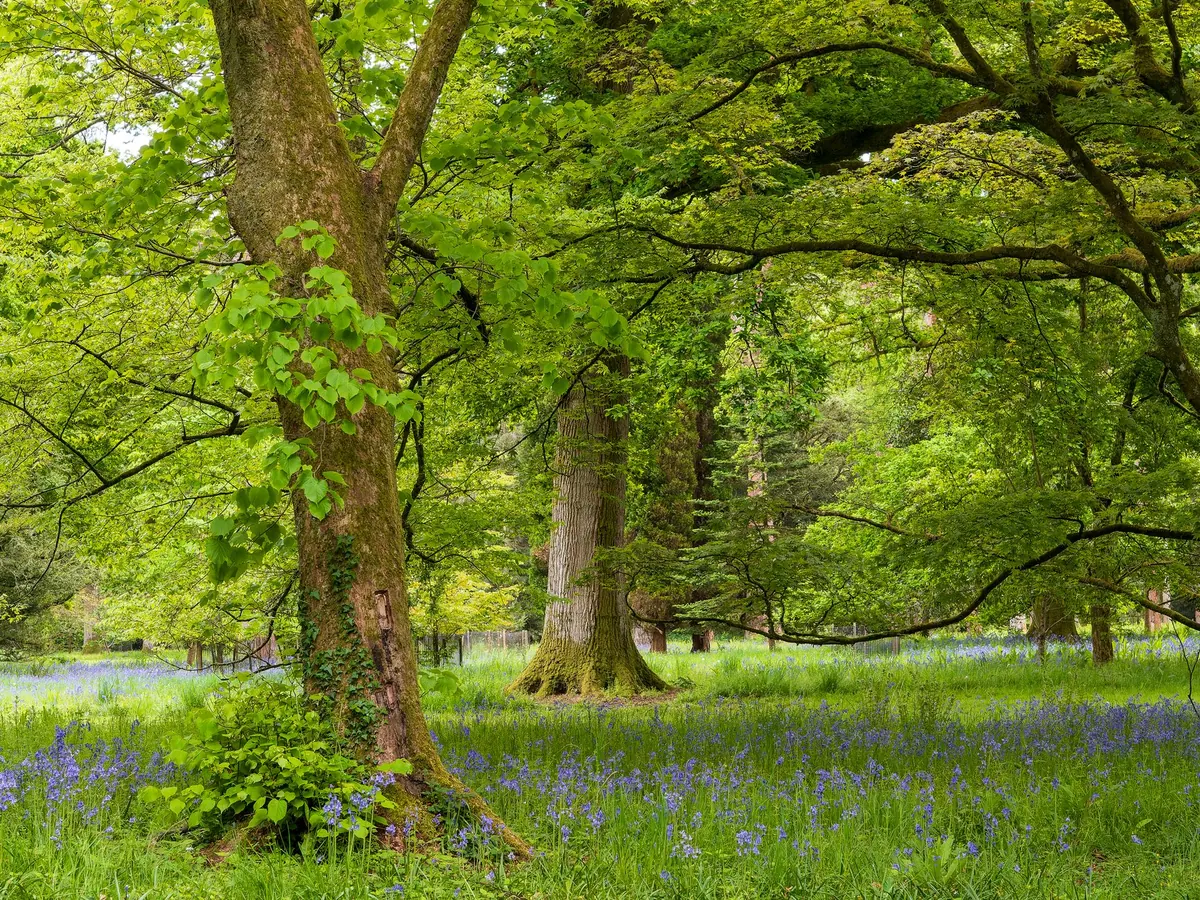
A bluebell wood in late April is one of the best things the year offers: a floor of violet-blue under beech trees just coming into leaf, a scent somewhere between hyacinth and damp earth, and a quality of light that makes the whole wood look briefly unreal. The trouble is that the flowers we come to see are also the thing our feet damage fastest. A wood that absorbs a few hundred visitors in a season is fine. A wood that absorbs a few thousand can lose its bluebells in patches, and those patches do not green over again the way a lawn does.
None of this means staying away. It means understanding what actually harms a colony, and changing a handful of small habits. Most of the work is done before you even step off the tarmac.
Why a Footprint Matters More Than It Looks
A bluebell spends most of the year underground as a bulb. Its entire growing season is compressed into a few weeks in spring, between the first warm days and the moment the canopy closes overhead and cuts off the light. In that window the leaves have one job: to make and store enough energy for next year's flower. Flatten them, snap them or bury them under a boot and that job doesn't get done.
The bulb sits surprisingly close to the surface, often just a few centimetres down in leaf litter and soft topsoil. It doesn't take a deliberate stamp to crush one. Ordinary walking pressure on wet spring ground is enough.
Compacted soil is the quieter damage
Trampled ground is obvious. Compacted ground isn't. When wet soil is pressed repeatedly, the air spaces between particles collapse. Water stops draining, roots struggle, and the fine web of fungal threads that woodland plants depend on is disrupted. A single well-worn desire line through a colony can leave a strip where bluebells thin out for years.
Colonies spread slowly
Bluebell seed is mostly moved by ants, which carry it a short distance and drop it. Seedlings then take several years to reach flowering size. There is no fast recovery mechanism. If a patch is lost, the nearest healthy plants are unlikely to recolonise it quickly on their own.
Stay on the Path, Mud and All
The single most useful thing you can do is dull and unglamorous: keep your feet on the established route, including when the route is unpleasant.
- Walk through the puddle, not around it. Every boot-width detour widens the bare zone. The mud will dry; the bluebells won't regrow as fast.
- Go single file on narrow tracks. Two abreast on a woodland path quietly turns it into a road.
- Step over fallen branches, not around them. Cutting the corner puts you straight into the flowers.
- If you must leave the path, aim for bare ground or deep leaf litter. Never cross a patch of leaves or buds to reach a clearer view.
- Don't widen a viewpoint. The tempting gap in the trees that would make a perfect photo is usually a patch of bulbs.
In a very wet spring, consider a different wood or a different week. Saturated ground takes damage far more readily than dry ground, and the flowers will still be there next April.
Picking, Photographing and Taking Nothing Home
Picked bluebells wilt within an hour, so the vase on the windowsill is a poor reward for the damage. Pulling a stem often lifts the bulb with it, and even a clean snap removes a flower head that would have set seed. Rules vary between sites and countries, but most reserves prohibit picking outright, and digging up wild plants is restricted or illegal in many places. There is no version of this where the wood comes out ahead.
Photography deserves its own note, because the best pictures of a bluebell carpet are taken from a low angle, and low angles invite bad decisions. A few practical alternatives:
- Kneel or sit on the path and shoot along the ground rather than across it.
- Use a longer lens or your phone's zoom to compress the distance instead of walking into the flowers.
- Don't lie down in the middle of a colony for the classic shot. You will flatten more than you can see.
- Keep tripod legs on bare ground. Three small circles of crushed bulbs is an easy accident to avoid.
- Skip the drone flight low over the canopy edge if the site discourages it; disturbance matters to nesting birds too.
Take only photographs, and take them from where you're standing.
Dogs, Children and Group Visits
Most damage in popular woods isn't vandalism. It's enthusiasm. A dog crashing through a colony, or a child running a spiral through the blue, does more harm in ten seconds than a careful visitor does all afternoon.
Keep dogs on a lead or close at heel through flowering areas, and keep them out of the flowers entirely in wet weather. If your dog likes to dig, this is not the walk for it. With children, give them a job instead of a warning: spotter, photographer, path-keeper, the one who finds the ants' nests. Children who are told why the flowers matter usually protect them more fiercely than adults do.
For organised walks and photography groups, smaller is genuinely better. Ten people spread along a path leave the wood much as they found it; thirty in a tight cluster do not. Meet at the entrance rather than in the flowers, and agree a route in advance so nobody improvises a shortcut. Take litter home, including dog bags and orange peel, and leave dead wood, stones and fungi where they lie.
Choose the Wood That Can Take the Footfall
Responsible visiting is also about where you go. Woods with proper car parks, waymarked trails and a visitor centre are usually managed for exactly this pressure, and the bluebells there are often the most spectacular precisely because the paths do the work.
If your favourite quiet wood is small, visit early in the morning or on a weekday, and consider going once rather than three times in a season. Spread your visits across two or three sites instead of concentrating them on one fragile slope.
Bluebells at Home, Without Lifting Them From the Wild
The best way to support bluebells is to grow your own from cultivated bulbs, bought from a reputable nursery, and to plant them in a shady border or under a deciduous tree where the ground stays reasonably moist. Never transplant bulbs from a wood into a garden; it rarely works, and it takes the colony's future with it. If you garden near a woodland edge, avoid planting Spanish bluebells where they could cross with native stock.
Before You Step Into the Woods
- Check whether the site has closed paths, a booking system or a no-picking rule, and follow it.
- Wear boots you don't mind getting muddy, and plan to walk through the wet bits.
- Keep to the main track even when the flowers look better twenty paces to the left.
- Lead the dog, slow the children, and take your litter out with you.
- Photograph from the path, and leave every stem standing.
Do that, and the wood you walked through this spring will look much the same next spring, and the one after that. That is the whole point of visiting carefully: not to enjoy it less, but to be able to keep coming back.
Photo: Bob Jenkin / Pexels