How to Create a Spring Bulb Garden with Continuous Bloom
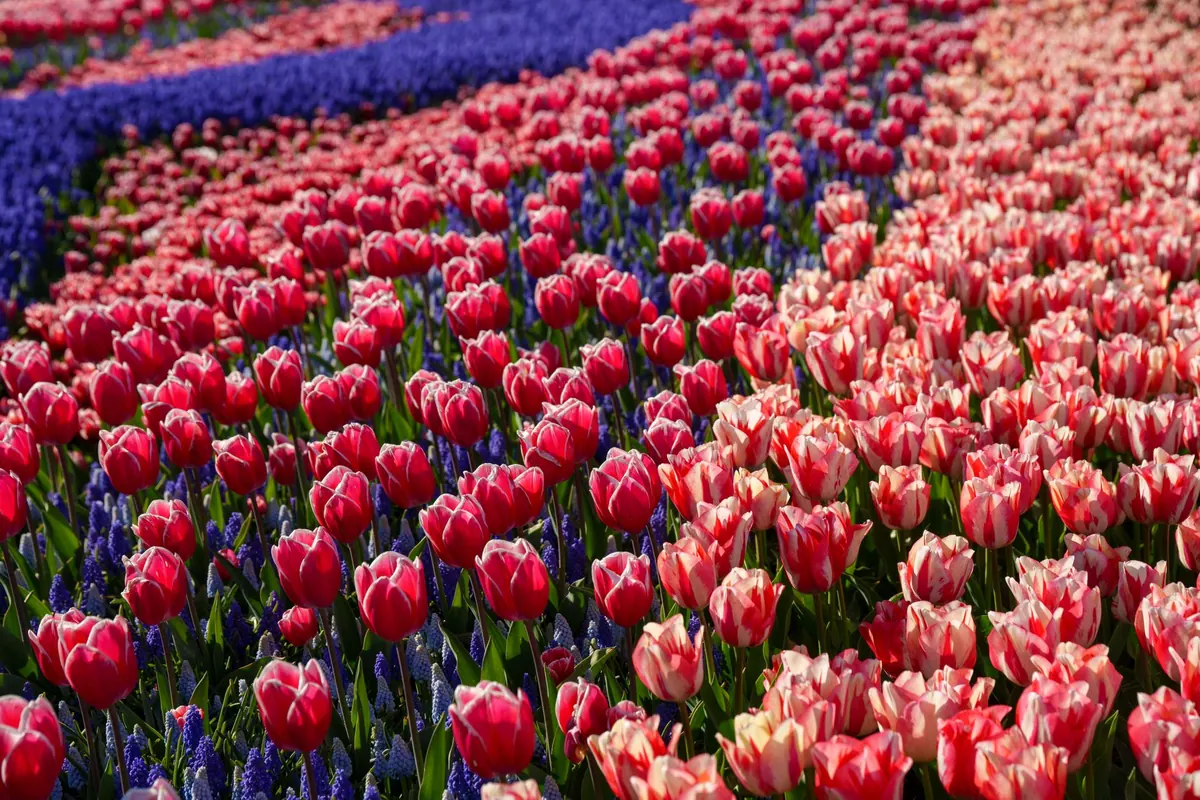
Most spring gardens peak for two weeks and then sit there, green and slightly sheepish, waiting for summer to arrive. It doesn't have to work that way. By choosing bulbs that flower at different moments, setting them in layers, and surrounding them with perennials that grow up just as the bulbs' leaves collapse, an ordinary bed can stay in flower from the first snowdrop in February to the last allium in June.
Think in Waves, Not in Bulbs
Buying bulbs is the easy part. The catalogues are gorgeous, the bins at the garden centre are stacked high, and everything looks like it belongs together. The difficulty is timing. Spring bulbs fall into three rough camps: the very early ones that flower in late winter, the mid-season crowd that carries April, and the tall late performers that take over in May and early June. Plant only one camp — usually the tulips and daffodils that dominate retail displays — and you get a six-week show followed by nothing.
Plant across all three and the bed changes character every fortnight. Aim for overlap rather than a tidy relay. Weather does what it likes: a cold March slows everything down, a warm one rushes it forward, so waves that overlap slightly in theory will still overlap when the season misbehaves.
A Three-Month Blooming Calendar
Exact dates shift by several weeks depending on your climate and how sheltered the site is, but the sequence stays remarkably consistent. Use this as a shopping list rather than a schedule.
- Late winter. Snowdrops (Galanthus), winter aconite (Eranthis hyemalis), Iris reticulata, and the earliest small crocus. These are tiny, so plant them by the hundred rather than the dozen — a drift of fifty crocus costs less than one shrub and reads from across the garden.
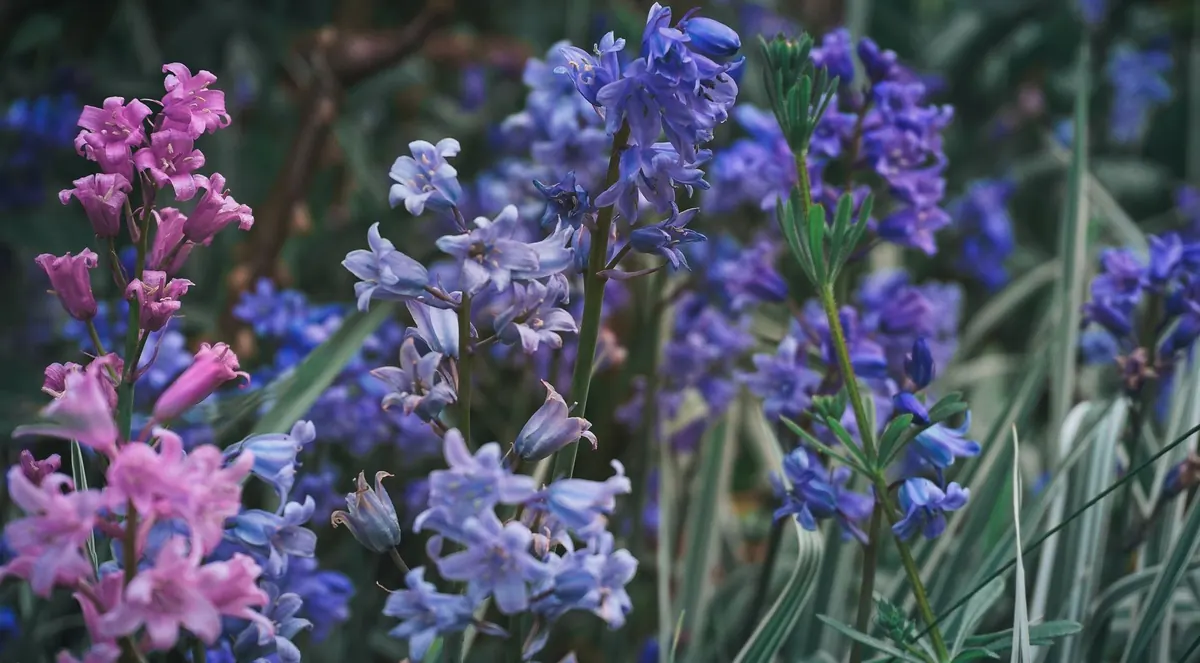
- Early to mid spring. Larger crocus, Muscari, Scilla siberica, Chionodoxa, hyacinths, Anemone blanda, and the first daffodils — the small species types such as Narcissus cyclamineus and 'Tête-à-Tête'.
- Late spring. Mid and late daffodils, tulips in every category, snake's head fritillary, Camassia, and the ornamental alliums (Allium 'Purple Sensation', A. christophii) that hold their shape for weeks after the flower fades.
Two rules keep this calendar honest. First, include at least one white or pale yellow flower in each wave; they glow in dull light, which matters more in March than it does in July. Second, plant the early bulbs where you actually walk past them — beside the front path, by the back door — because in February you are not strolling the far corners of the garden.
Layer Bulbs in the Same Bed
The classic technique is layering, sometimes called lasagna planting, and it packs three seasons of flowers into one patch of ground. The principle is simple: big bulbs go deepest, small bulbs sit above them.
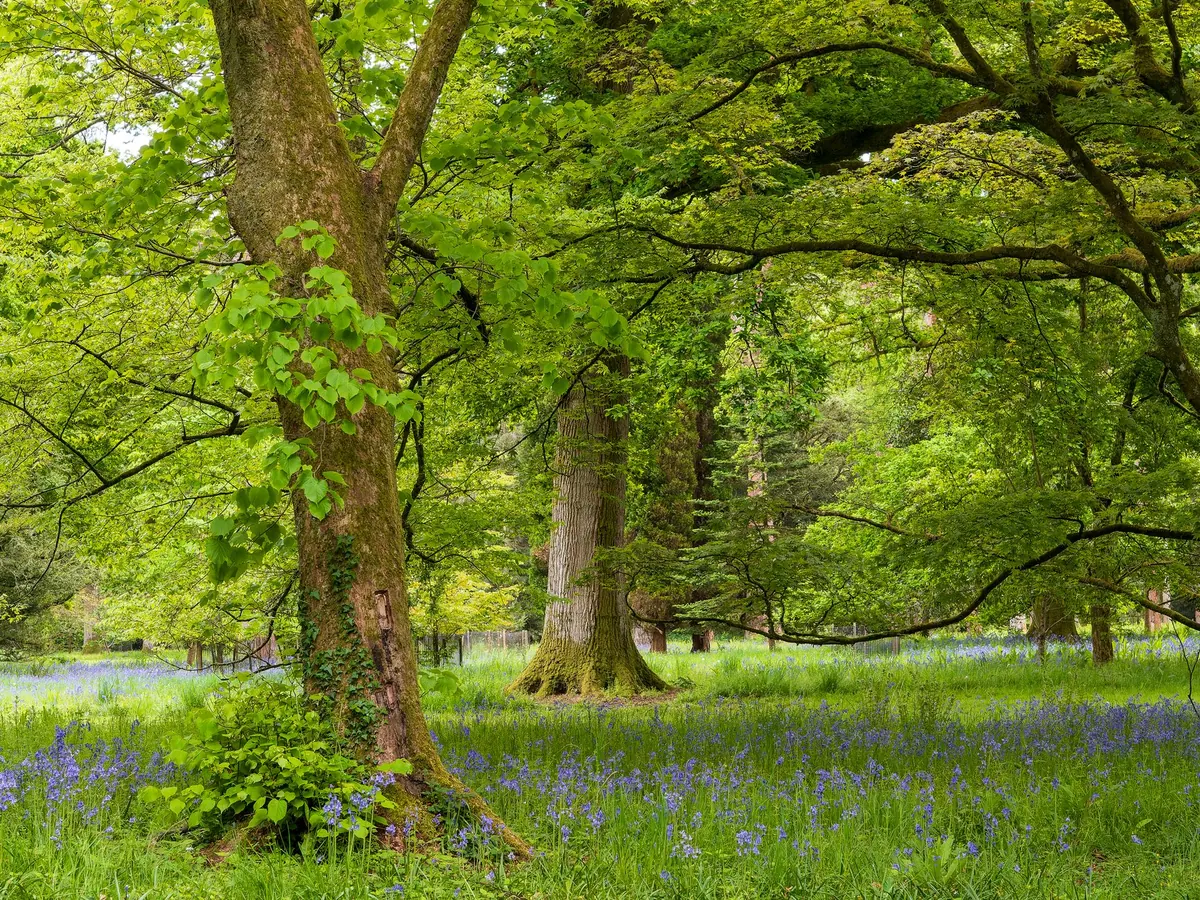
- Choose a site that gets sun while the bulbs are in leaf. Under a deciduous tree is fine, because the canopy is bare exactly when the bulbs need light. Drainage matters far more than fertility.
- Dig the whole area to a spade's depth and fork in compost. If your soil is heavy clay, add grit as well. Bulbs rot in waterlogged winter soil, and no amount of good planting depth will save them.
- Set the largest bulbs — daffodils, big tulips, Fritillaria imperialis — at six to eight inches deep, roughly two to three times their own height.
- Cover them with about two inches of soil, then place mid-size bulbs: hyacinths, camassia, mid-season tulips, at around five inches.
- Add another two inches of soil and finish with the small ones — crocus, muscari, scilla, snowdrops — at three inches.
- Backfill, water once, and mulch lightly after the ground has cooled, not before.
Keep the layers from touching. If a large bulb ends up directly beneath a small one, the small one will struggle for space and light. Mark the bed with a discreet label or a line of flat stones so you can find it again in spring.
Let Perennials Cover the Fading Foliage
Here is the part most bulb plantings get wrong. Bulb leaves must stay in place for about six weeks after flowering while the plant stores energy for next year, and that ripening foliage is not pretty. The solution is not to cut it, but to hide it.
Plant perennials that emerge late and grow quickly. Hardy geraniums, lady's mantle, catmint, daylilies, sedum, asters and Japanese anemones all push up through April and May and will swallow yellowing daffodil leaves by early June. In shade, use hostas, ferns, brunnera and epimedium. Hellebores and pulmonaria earn a double place, flowering alongside the bulbs and then expanding into a leafy clump.
Set the perennials into the same bed on the same autumn day you plant the bulbs, and mark their positions. They are dormant and easy to handle then, and they will be ready to grow the moment the soil warms. Never plant perennials by stabbing a trowel into the ground in spring without knowing where the bulbs are.
Planting Details That Decide Success
Timing matters more than technique. Plant when the soil has cooled but before it freezes — typically mid-October to late November in colder climates, later where winters are mild. Most daffodils and tulips need a long stretch of cold to flower properly; in warm-winter regions, chill them in the refrigerator for several weeks before planting, and keep them away from ripening fruit while they are in there.
Mix a bulb fertiliser into the soil at planting depth rather than scattering it on the surface, and top-dress again as shoots break ground in spring. Raw manure in the planting hole is a mistake; it burns tender roots.
Squirrels and voles will dig up tulips and crocus. Daffodils, alliums, snowdrops and fritillaries are far less appealing to them, which is one more reason to plant widely rather than relying on tulips alone. Where rodents are a genuine problem, lay a sheet of wire mesh over the bed after planting and lift it in late winter.
Design Choices That Hold It Together
Three varieties planted in generous drifts will always look better than fifteen planted in twos and threes. Repeat the same cultivar in several places so the garden reads as one composition rather than a collection. In a small bed, restrict yourself to two or three colours; bulbs are bright enough without competition.
Height matters as much as colour. Put the tall late alliums and camassia behind shorter companions, or let them rise through low perennials that give them something to lean on.
Start With One Bed This Autumn
You do not need to convert the whole garden. Pick a single border or a strip along a path, plant three layers in October, and see what happens. Fifty crocus, a dozen daffodils and a dozen tulips, with four or five perennials tucked in between, will teach you more than any plan drawn on paper.
Take a photograph in April and jot down what bloomed where and when. Leave the leaves alone until they have gone yellow and limp, feed the bed as shoots appear, and lift and divide crowded clumps in early summer once the foliage has died back. After two or three autumns of small adjustments, you will have a spring that starts in February and does not stop until the tree peonies take over.
Photo: Veronika Andrews / Pexels